Long-Range E-Bikes: Compare Battery Capacity and Check Range Claims
GuidePublished
We don't ride these bikes. Specs come from our database, converted to the same units. How we research them
Start with the Himiway D5 (960 Wh battery, Up to 80 mi manufacturer claim) and the Mokwheel Basalt (940 Wh battery, Up to 80 mi manufacturer claim), then look at the Velotric GoMad (801 Wh battery, Up to 150 mi manufacturer claim). We haven't yet confirmed which battery setup any of these range claims assumes, so this guide shows you how to check it on the manufacturer's page. Until you have, compare the GoMad on its battery, not its range. A listed range is a brand claim, not a measured distance.
This guide compares three bikes and shows you how to check what each range claim assumes. It starts with what makes an e-bike long-range and the two numbers that get called range. Then come the shortlist, the kind of long ride you're planning, what owners report, battery setup checks before buying and weight and price tradeoffs. If you're sizing a battery for a daily round trip, our commute battery guide does that math.
What makes an e-bike long-range?
Two numbers on a spec sheet get treated as "range," and they answer different questions. Battery capacity, in watt-hours (Wh), is how much energy the manufacturer says the pack stores. Claimed range is how far the manufacturer says the bike goes on a charge, under an assist level, speed, rider weight and terrain the brand chose. A higher Wh figure gives you more stored energy to compare, but it can't be turned into a guaranteed number of miles. And claimed ranges from different brands weren't measured the same way, so they don't line up as a like-for-like comparison.
Two more numbers get mixed in. One is the distance you actually ride before the battery runs low. The other is the range estimate on the bike's display, which can jump around. An Aventon Level 3 owner described the display estimate changing after a stop: “the max range was suddenly 30.6 miles at 94%, a whole twenty-six mile drop since ten minutes ago.” That's the display recalculating, not a measured distance. How far can an e-bike go? explains all four numbers. This guide compares only the first two: listed capacity and claimed range.
Long-range e-bikes to compare
This is a starting shortlist of three bikes, not a ranking of every long-range e-bike on the market. We picked them because owners bring them up in the threads we read, and our catalog lists both a battery capacity and a claimed range for each. That rule is narrow, and it leaves out bikes with bigger batteries. The Ride1Up Revv1 DRT, for example, lists a 1040 Wh battery and a claimed range of Up to 60 mi (manufacturer claim). It isn't here because it didn't come up in those threads, not because it ranks lower. It also shows why a bigger battery and a bigger range claim don't always go together. The table is sorted by listed battery capacity, highest first, then by claimed range. Price, merchants and affiliate links play no part in which bikes appear or in what order. We haven't ridden these bikes.
Both figures are manufacturer claims from our catalog. Neither is a tested range. “Not verified” means we haven't confirmed which battery setup the range claim assumes.
Bike
- Listed battery capacity (manufacturer claim)
- 960 Wh
- Claimed range (manufacturer claim)
- Up to 80 mi
- Battery setup behind the range claim
- Not verified
Bike
- Listed battery capacity (manufacturer claim)
- 940 Wh
- Claimed range (manufacturer claim)
- Up to 80 mi
- Battery setup behind the range claim
- Not verified
Bike
- Listed battery capacity (manufacturer claim)
- 801 Wh
- Claimed range (manufacturer claim)
- Up to 150 mi
- Battery setup behind the range claim
- Not verified. Confirm it before comparing this range with the others
How to fill in the last column yourself. Open the manufacturer's page for the exact version you'd buy and find the range figure. Check whether it mentions a second battery, a range extender or a dual-battery option, and which assist level it assumes. If it assumes more than one battery, compare that range only with other claims built on the same setup. If the page doesn't say, compare that bike on battery capacity alone.
Compare these e-bikes' battery and specs: Himiway D5 · Mokwheel Basalt · Velotric GoMad
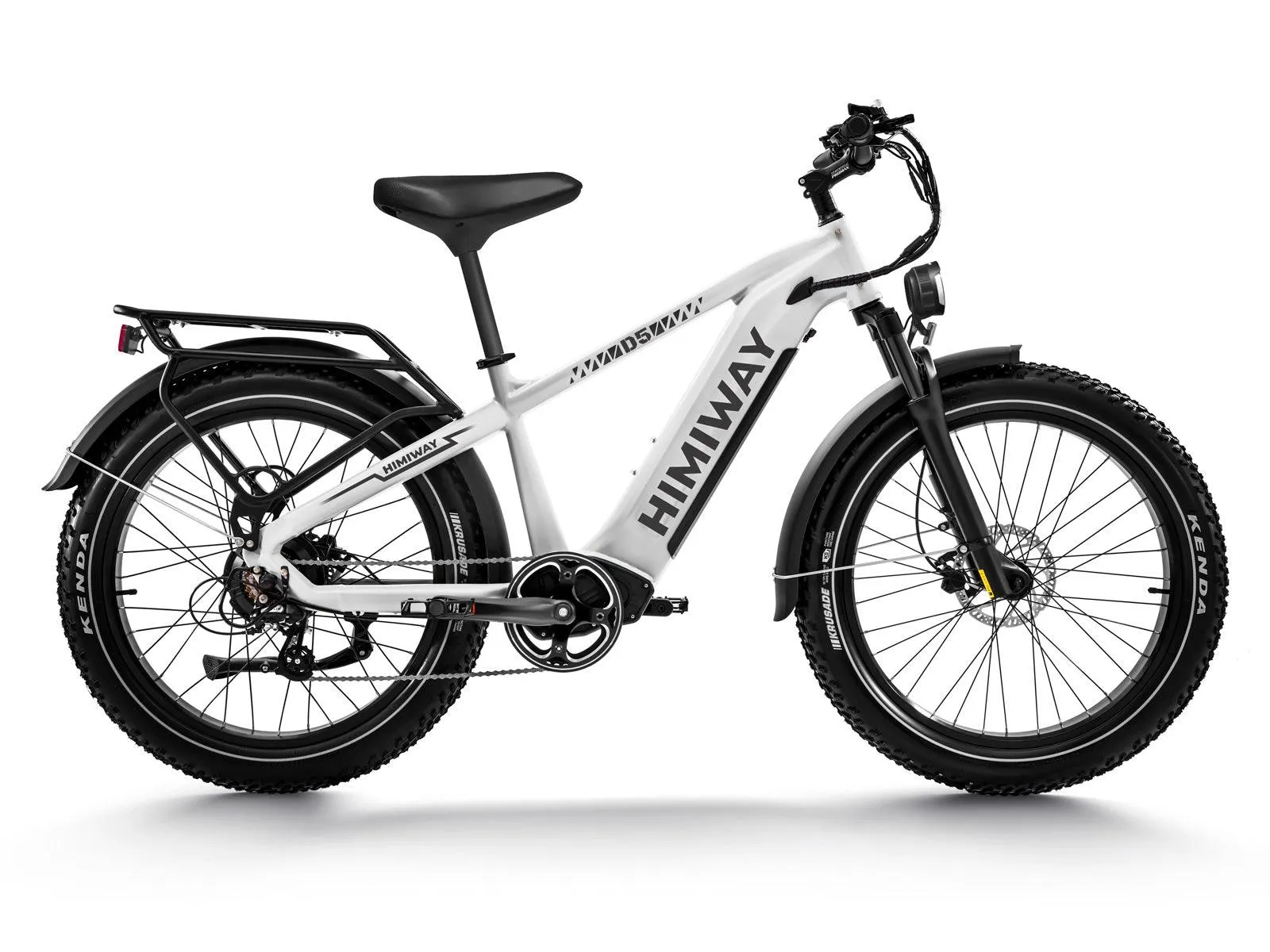
Himiway D5
The D5 has the largest listed battery of the three. Our catalog has more than one D5 version from Himiway, so make sure the product page and Himiway's own page describe the version you'd buy before you compare figures. If you're counting on a spare, Himiway's extra battery page offered several variants when we checked, many shown as out of stock, so confirm which one fits your version.
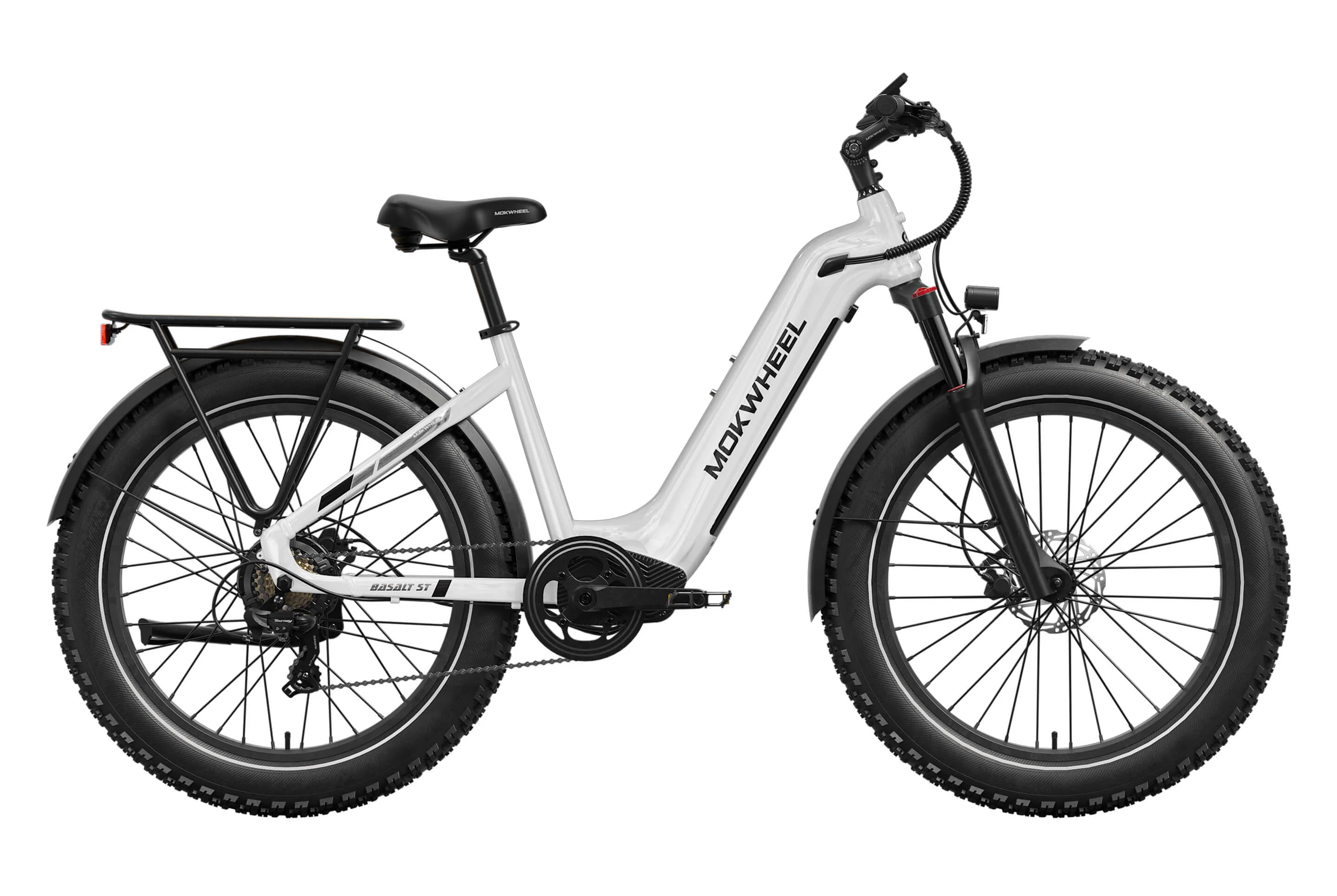
Mokwheel Basalt
Our catalog also has a separate Basalt 2.0 entry with the same listed battery capacity, so check that you're reading figures for the right one. If you'd want an extra or replacement battery later, note that Mokwheel's Basalt Series battery showed as sold out when we checked on November 11, 2026. More in the battery setup checks.
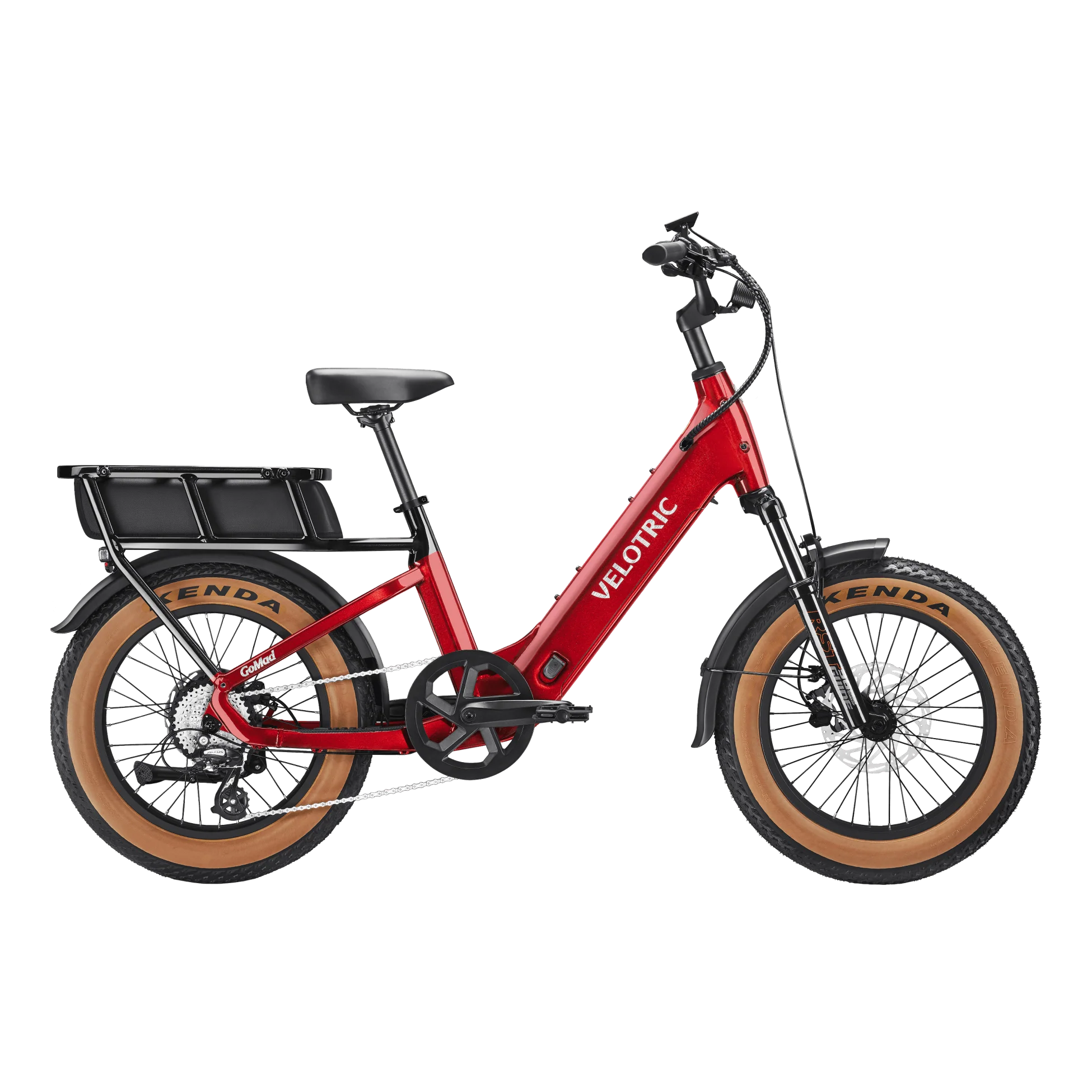
Velotric GoMad
The GoMad pairs the highest claimed range in this table with the smallest listed battery. That gap is exactly when you need to know which battery setup the claim assumes, and we haven't confirmed it from Velotric's page for this version. Until you have, compare the GoMad on its battery figure, not on its range claim. The owner threads we read about the GoMad were about charging, not distance; see what owners report.
Which kind of long ride are you planning?
"Long-range" means different things depending on where you can charge. Start from the kind of ride you're planning, then use the table and the checks below.
- One long ride with no charging along the way. Everything has to come from the battery on the bike. Start with the higher listed capacities in the table, then ride a similar route at the assist level you'd really use before you count on the distance.
- A long ride with a charging stop. The stop only counts if you're allowed to plug in, you carry the charger, and you'll stay long enough. Check the charging time for your exact version on the manufacturer's page.
- Several days in a row. If you can charge each night, the question becomes your longest single day, not the whole trip. Confirm there's an outlet where you'll stop.
- A ride longer than one battery covers. Then the question is a second battery you carry and swap in: whether one exists for your version, whether you can buy it and how it's covered. When we checked, Mokwheel's Basalt Series battery was sold out and many of Himiway's extra battery variants were out of stock. See the battery setup checks.
- Sizing for a daily commute instead? Use our round-trip commute battery guide to work out the capacity, then come back to compare bikes.
What owners report, and what it doesn't prove
Owner posts show how much the way you ride changes the result. Each one below is a single person's account, not a standardized test, and we can't confirm where each writer lives or rides.
In a Himiway Zebra D5 owner thread, the owner wrote: “I always go in mode 4/5, going 32km/h and I can do over 100km while pedaling.” That's a rider at a high assist level who is also pedaling, posted in kilometers. We haven't matched that bike to the D5 version in our table, so read it as one owner's experience, not as a figure for the bike above.
In a Mokwheel Basalt replacement battery thread, the owner asked: “Looking for a reasonably priced quality battery to extend my riding range on my Basalt.” The post doesn't say which Basalt version it is. Read it as one owner shopping for a battery, which is a reason to check whether one is available for your version before you buy.
In an owner range thread, one rider summed up their conditions: “Pedal assist three......20 mph average, Mostly Flat......35 miles max.” The post doesn't name the bike, so it says nothing about the three bikes here. What it does show is that assist level, speed and terrain belong next to any mileage you hear.
The GoMad threads we read were about charging, not distance. In one GoMad charging thread, an owner wrote that “the battery wont charge past 75% no matter what i do.” In another GoMad thread, an owner said: “I’ve had three chargers fail, going through the warranty process each time.” Neither post confirms the cause, and a few posts can't tell you how often it happens. On a long ride, though, a battery that stops short of full matters, so it's worth reading those threads before you choose.
The Velotric Nomad 2 also comes up in owner discussions about long-range batteries. It isn't in our table because our catalog has a claimed range for it but no battery capacity yet. Owners mention pack sizes in that thread, but we don't use owner posts to fill in a spec.
Check the battery setup before buying
Confirm each of these on the manufacturer's page for the exact version you'd buy. If the page doesn't answer one, don't assume the answer.
- Which setup the claimed range assumes. One battery or two, a range extender or not, and at what assist level. If it assumes more than one battery, compare it only with other claims that do the same.
- Whether the battery comes off the bike. This matters for charging indoors at a stop and for swapping in a second battery.
- Which kind of extra battery you mean. A range extender is used together with the main battery, as in the eBicycles example above. A second battery is one you carry and swap in. A replacement battery takes the place of a worn one. Each raises its own compatibility, charging and warranty questions, so ask about the one you actually need.
- Whether a compatible battery exists for your version, and whether you can buy it. When we checked on November 11, 2026, Mokwheel's Basalt Series battery page listed it at $599.99 and showed it as sold out. Himiway's extra battery page offered several variants, many shown as out of stock. Stock and prices change, so check on the day you buy.
- How a battery bought separately is covered. Velotric's warranty page covers the battery that comes with the bike for 2 years or 300 charging cycles, whichever comes first, and treats a battery bought separately as an accessory with a one-year term. Read the terms for whichever brand you're considering, because a battery bought later may not be covered like the original.
- Charger and charging time. If your plan includes a charging stop, check how long a charge takes for your version and whether you'll need to carry the charger.
Range, weight and price tradeoffs
A larger battery is one input, not the whole decision, and in our catalog it doesn't automatically mean a heavier bike. If you'll lift the bike onto a car rack or carry it up stairs, compare listed weights too.
Listed battery capacity and listed bike weight, both manufacturer claims from our catalog.
Bike
- Listed battery capacity
- 960 Wh
- Listed bike weight
- 79 lb
Bike
- Listed battery capacity
- 940 Wh
- Listed bike weight
- 68 lb
Bike
- Listed battery capacity
- 801 Wh
- Listed bike weight
- 77 lb
This guide doesn't compare prices. The most recent price check in our catalog for these bikes is more than 7 days old, so it isn't a price you could count on paying today. Each product page shows the current price with the date it was checked. If you're planning on a second battery, add its price to the bike's.
Before you decide
- To understand claimed range, estimated range, measured distance and the display estimate, read How far can an e-bike go?
- To size a battery for a daily round trip, use our commute battery guide.
- Compare these e-bikes' battery and specs: Himiway D5 · Mokwheel Basalt · Velotric GoMad
Frequently asked questions
What is the longest-range e-bike?
Claimed ranges alone can't settle it, because brands don't measure range the same way and some claims assume more than one battery. In our shortlist the GoMad has the highest claimed range, but we haven't confirmed which battery setup that claim uses. Compare listed battery capacity first, then check what each range claim assumes.
Does a bigger battery always mean more miles?
A higher Wh rating gives you more stored energy to compare, but it doesn't guarantee more miles. Assist level, load, route and the battery setup behind the range claim also matter. See what owners report.
Are the listed ranges real-world test results?
No. The range figures in this comparison are manufacturer claims. We don't have a standardized ride test for these bikes.
Should I buy a second battery or plan a charging stop?
Check whether the exact bike supports a compatible second battery, whether you can buy it, and where you can charge along your route. A listed range alone can't answer that. The battery setup checks walk through it.
How much battery do I need for a commute?
Use our round-trip commute battery guide to estimate the capacity for your route, then compare bikes here.
Sources: battery capacity, claimed range and weight come from our catalog, which records each manufacturer's published specs; all are manufacturer claims. Battery prices, stock and warranty terms come from the manufacturer pages linked above, as read on November 11, 2026. Owner quotes come from the linked Reddit threads and are individual accounts, not test results.