Best Value E-Bikes by Battery Wh per Dollar
ShortlistPublished
We don't ride these bikes. Specs come from our database, converted to the same units. How we research them
This ranking answers one question: how much claimed battery capacity each $100 of a bike's current price buys. We divide the manufacturer's claimed battery capacity in watt-hours (Wh) by the latest price we recorded, counted in $100 steps, and rank the two-wheel e-bikes in our catalog that have both numbers and a price checked within the last 7 days. Bikes missing either input drop out, and the page shows how many bikes qualified and which were excluded. A high score means more battery for the money, not a better bike: it doesn't measure fit, how the assist feels, brakes, service or what you'll spend after the sale.
This guide ranks bikes from our own catalog, not the whole market. The order is calculated when the page loads, from manufacturer battery claims and the prices we record. We haven't ride-tested these bikes, and commission plays no part in the order. How the ranking works
What does “value” mean here?
Value and cheap aren't the same question. Electric Bike Report notes that “Affordability and value are often used interchangeably,” then builds its own value list from features, test results and price. On Reddit, a reply to a parent shopping for a school-commute bike put it more bluntly: “Budget doesn’t have to mean the cheapest thing available.” What a bike is worth to you depends on how far you ride, where you keep it, who fixes it and what you carry.
This page doesn't try to score all of that. It measures one thing we can calculate the same way for every bike: claimed battery capacity per $100 of current price. A bike near the top gives you more battery for the money on paper. That doesn't make it the best bike for you, and a bike lower down isn't a bad deal. If you want the cheapest bikes that still fit a specific need, see our budget e-bike picks. If you already have a hard spending cap, our under-$1,500 list is organized around that ceiling, not around battery per dollar.
How the battery value ranking works
The formula. Each bike's score is its claimed battery capacity in watt-hours divided by its current price in hundreds of dollars: battery Wh ÷ (price ÷ $100). This is version wh-per-100usd@v1 of the formula, so if we ever change it, you can tell which version a score came from. Full methodology
What goes in. The battery figure is the manufacturer's claim; we don't measure batteries. The price is the latest price we recorded for the bike, sale or not, and we keep the date of every price check. We use that current price rather than the list price (MSRP), because it's closer to what you'd pay today. Tax, shipping, assembly and accessories aren't included.
Which bikes qualify. A bike enters the table only if our data has its claimed battery capacity and a current price checked within the last 7 days. If either is missing, or the last price check is older than that, the bike drops out. We don't estimate a missing number or reuse an old price. Commission rates, offers and merchants aren't inputs, so they can't change the order.
An example. Velotric lists the Tempo with a 374 Wh battery, and the latest price we recorded is $1,499 (Checked 10/21/2026). That works out to not published. Two bikes with the same battery can land far apart if one costs much more, and a sale on either one changes the result.
Live battery Wh per $100 ranking
The table below is calculated from our catalog each time the page loads, so it can differ from what you saw last week. It covers two-wheel e-bikes only. Three-wheelers and cargo or utility bikes are listed as excluded, with the reason, instead of being mixed in. Excluding them isn't a verdict on their quality: they're built for different jobs, so comparing their battery per dollar with a commuter's doesn't tell you much.
Live ranking of catalog two-wheel e-bikes by claimed battery Wh per $100 of recently checked current bike price. The table shows how many bikes qualify and are excluded.
No bike currently has both a published battery capacity and a price checked in the last week, so there is no ranking to show right now.
Ranked by battery capacity per $100 of current price (wh-per-100usd@v1). Bikes checked: 74. Left out for missing data: 5 with no published battery capacity, 69 with no price checked in the last 7 days. How the formula works
Not ranked by choice
- Velotric Triker: Electric tricycle; a different vehicle type.
- Lectric XP Trike 2.0: Three-wheel trike; outside this two-wheel comparison.
- Velotric GoMad: Utility/cargo bike; a different use case.
- Lectric XPedition 2.0: Cargo/utility bike; outside this comparison.
- Aventon Abound SR Ebike: Cargo/utility bike; outside this comparison.
- Aventon Abound LR Ebike: Cargo/utility bike; outside this comparison.
The page also counts how many bikes dropped out because our data lacks a battery figure or a recent price. A bike that's missing from the table isn't ranked low; it isn't ranked at all.
How to read the table
Read each score as “this much claimed battery for every $100 of today's price,” then check three things before you compare two rows. First, the bike type and configuration: a folding bike, a commuter and a fat-tire bike can score alike and suit very different riders, and some models come with more than one battery option, so make sure the battery you're buying is the one being scored. Second, the date of the price check shown with the price. Third, whether that price is a sale: when a sale ends, the score drops and the order can change.
Battery capacity isn't range. Watt-hours tell you how much energy the battery stores. How far that gets you depends on your weight, the assist level, hills, wind and temperature. Claimed range figures also aren't measured the same way from brand to brand, which is why this ranking doesn't use them. How far an e-bike really goes
What the number leaves out
A battery-per-dollar score can't tell you any of the following. Check them yourself before you treat a high score as a good deal.
- Fit. Frame size, standover height and riding position. A bike that doesn't fit you isn't good value at any price.
- How the assist feels. Torque and cadence sensors respond differently, and a test ride tells you more than a spec sheet.
- Brakes. The score doesn't look at brakes at all. Check what the bike uses and whether pads and parts are easy to get.
- Warranty and repairs. As one Reddit poster put it, “Parts and service are a huge factor in owning anything mechanical.” Ask who sells parts for this model and whether a shop near you will work on it.
- The final price. Tax, shipping and assembly come on top of the bike's price. In a thread from a buyer with a fixed total budget, one reply advised them to “leave room for a lock, helmet, tax, and any assembly costs.”
- Accessories. A lock, a helmet, lights, fenders or a rack, if they don't come with the bike.
Missing data works the same way. If our catalog lacks a bike's battery figure or a recent price, the bike is left out of the table, not scored as zero. When we wrote this, for example, our data had no battery capacity for the Velotric Fold 1 Plus or the Velotric Discover 3, two bikes owners discuss below, so neither could be ranked. That tells you about our data, not about their batteries.
When paying more can make sense
Lectric's own buying page asks, “Are more expensive eBikes actually better?” Not automatically. But a bike with a lower battery-per-dollar score can still be the better buy when the extra money pays for something the score can't see.
Support and parts. An owner of the Velotric Fold 1 Plus said that after the bike was damaged in shipping, “Velotric sent the part fast and paid for the local bike shop to install it.” That's one owner's experience, not a service rating, but it's the kind of thing worth asking a brand about before you buy.
How the assist feels. An owner about a month into a Velotric Discover 3 liked the seat and riding position but found the torque sensor slow to respond in some situations. That's one rider on one bike, and neither a spec sheet nor this score would show it. A test ride can.
Certification claims. Brands describe battery and electrical certification in different words. Velotric lists the Tempo as UL2849 & UL2271; Mokwheel lists the Mesa Lite as UL 2849. Both are the brands' own claims, which we haven't verified. Note which standard is named and whether it covers the battery, the electrical system or both. A higher price doesn't guarantee certification, and the score doesn't account for it.
Three bikes that show different trade-offs
We didn't choose these three for their place in the table, which changes with prices. We chose them because an owner of each describes a different need: getting help from a shop, riding with a train or bus, and city riding with stairs. Each card shows the bike's current score.
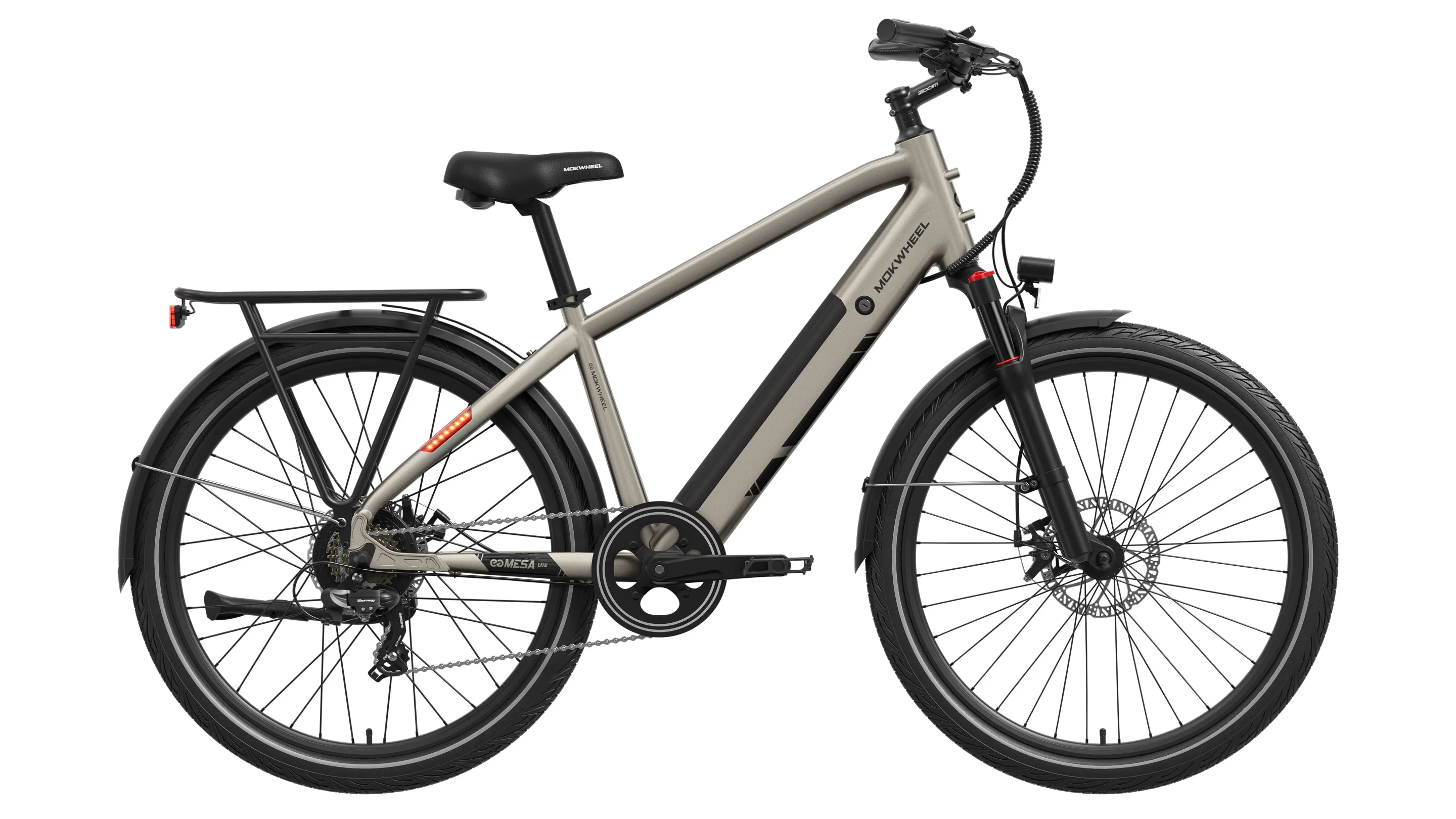
Mokwheel Mesa Lite: a shop to call
Mokwheel lists the Mesa Lite with a 529 Wh battery. At the latest price we recorded, $800 (Checked 10/21/2026), that works out to not published. One rider wrote that with the Mesa Lite “you can actually deal with a real shop if something goes weird.” They didn't say how long they've owned it or how far they ride. A longer story we found, about daily riding, replaced tires and an extra battery, is about the Mesa Lite ST, a different version, so we don't apply it here.
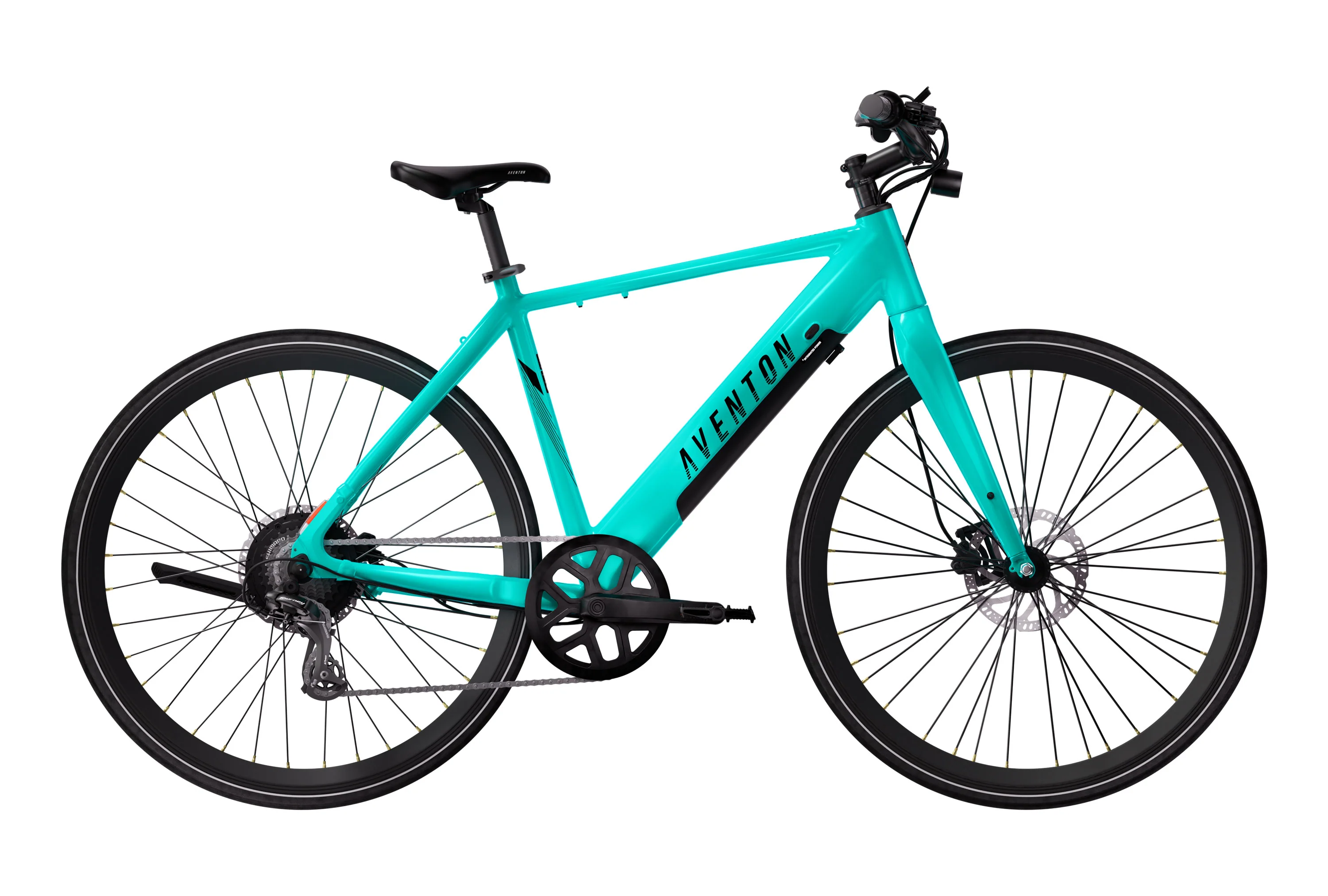
Aventon Soltera 2.5: riding with a train or bus
Aventon lists the Soltera 2.5 with a 345 Wh battery; at $1,199 (Checked 10/21/2026), that works out to not published. One owner who has never had a car said they ride theirs constantly in place of one, and that it's light enough to take onto a train or bus. The same owner said real-world range drops when they carry cargo. That's their experience on their routes, not a range figure. Aventon's claimed weight is 46 lb, so lift the bike the way you'd have to on your route before you count on it.
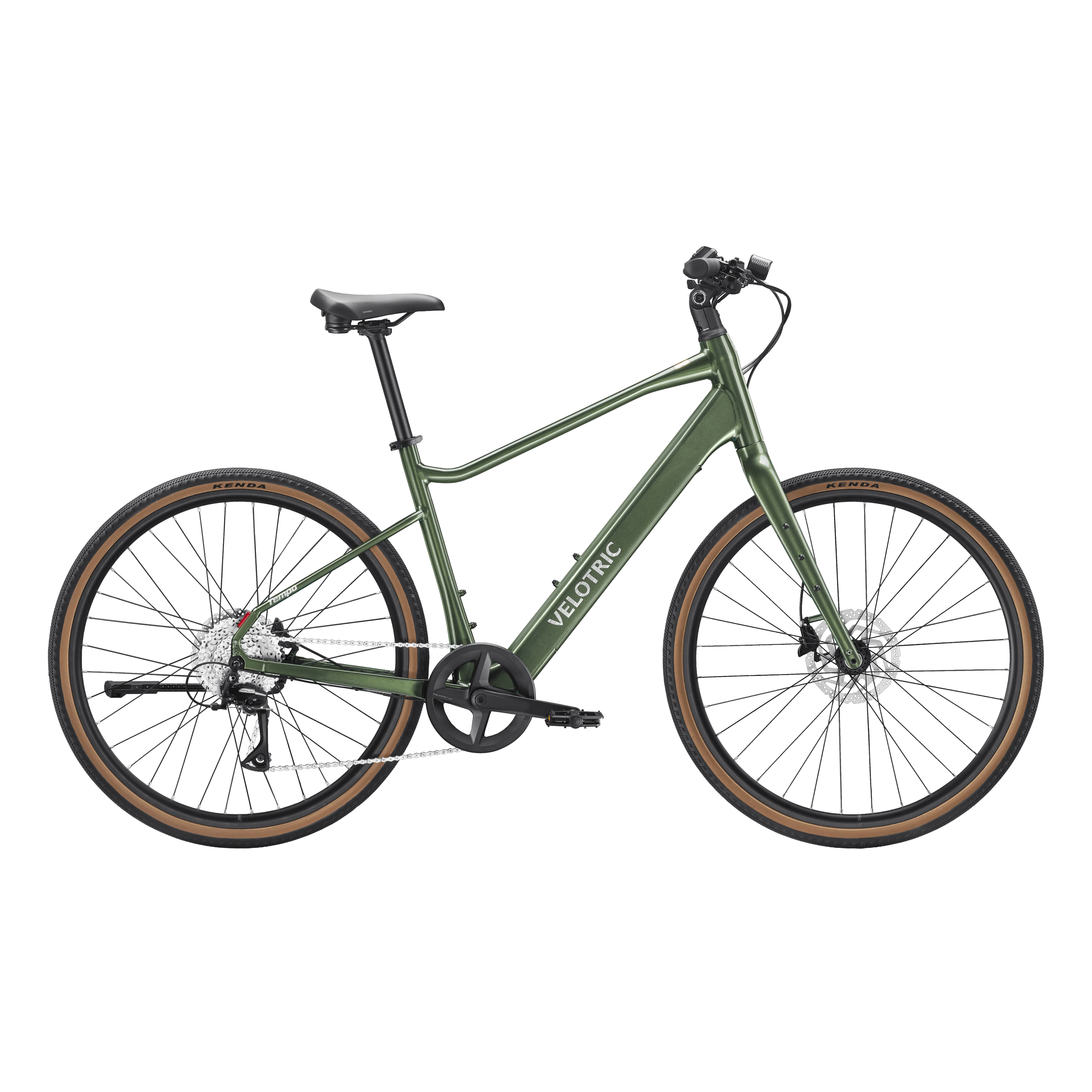
Velotric Tempo: bridges, hills and a narrow stairwell
The Tempo is the bike from the example above: 374 Wh claimed, $1,499 (Checked 10/21/2026) at the latest check, not published. An owner commuting from Queens into central New York City said it handles the bridges and hills on the way, but “My main struggle so far has been getting it up and down my narrow apartment stairwell.” Velotric's claimed weight is 39 lb. If you have stairs at home, try carrying the bike in person; the score can't tell you how that goes.
FAQ
These questions appear on other brands' and reviewers' buying pages. Here's how this ranking answers them.
What is the best eBike for the money?
There isn't one answer. This table answers a narrower question: which bikes in our catalog give the most claimed battery capacity per $100 of current price. The right bike for the money also depends on fit, how the assist feels on a test ride and the support you can get after buying. We don't call the top row the best bike overall.
Are more expensive eBikes actually better?
Not automatically. A higher price doesn't prove better parts or a better ride. Compare the components, brakes, sensor type, warranty and whether you can get the bike serviced near you, for the way you'll actually ride.
What eBike features are worth paying more for?
It depends on how you ride, but the usual candidates are the things this score can't see: how the assist feels when you ride it, access to parts and repairs, and the brand's stated battery and electrical certification. Treat certification as the brand's claim until you've checked which standard it names.
Are the Battery and Electrical Components UL-Certified?
Check each model. Brands state certification differently, so read the exact wording on the product page, see which standard is named and whether it covers the battery, the electrical system or both. Battery size and price won't tell you.
What Is the Real-World Range vs. the Manufacturer's Claimed Range?
This ranking doesn't use range at all. Battery capacity in watt-hours is stored energy; real-world range depends on the rider, the assist level, terrain and weather, and claimed range isn't measured the same way across brands. How far an e-bike really goes
Bottom line
Use the table to see which bikes in our catalog give you the most claimed battery for today's price, then judge them as bikes. Check the fit, ride one if you can, ask about parts and repairs, look at the price check date and whether a sale is driving the score, and add tax, shipping and accessories to the total. If the cheapest bike for a specific need matters more to you than battery per dollar, start with our budget e-bike picks.
Sources: battery capacities are manufacturer claims and prices are the latest we recorded, both from our database. Owner experiences are individual Reddit posts, linked where cited; they're anecdotes, not range or reliability data. We haven't ride-tested these bikes.