Best Street-Legal E-Bikes: Two Spec-Screened Shortlists
ShortlistPublished
We don't ride these bikes. Specs come from our database, converted to the same units. How we research them
Every bike below passed one published screening rule: a manufacturer-listed class, top speed and nominal motor power of 750 W or less. We sort them into two shortlists by what the manufacturer lists, either a 20 mph top speed or a Class 3 setting with a 28 mph top speed, and order each shortlist by listed battery capacity. The shortlists are screening buckets, not classes or legal categories. They don’t establish that a bike is legal in your state or permitted on a particular road, path or trail.
“Street legal” bundles three questions: what legal category the bike falls into where you live, whether that category can use public roads and what paperwork it needs, and whether it may use the bike lanes, paths and trails on your route. A spec sheet only helps with part of the first question. This guide explains how the shortlists were built, gives Shortlist A and Shortlist B, notes which bikes were left out, then shows what a class label leaves open and how to check your state and route. If you’re shopping for a moped or e-motorcycle rather than an e-bike, this list isn’t built for you: those vehicles can carry different legal requirements, so start with how to tell whether your e-bike is street legal.
How these shortlists were selected
Every bike here comes from our published catalog, which covers only the brands we track, and passed one written rule. It needed three manufacturer-listed values: a class (or list of modes), a top speed, and a nominal motor power of 750 W or less. We then sorted qualifying bikes into two buckets. Shortlist A takes bikes with a listed top speed of 20 mph and no Class 3 in their listed class. Shortlist B takes bikes that list a Class 3 setting and a 28 mph top speed. Within each shortlist we kept one bike per brand, the one with the largest listed battery, and listed them by battery capacity, largest first; ties go to the catalog identifier in alphabetical order.
The two shortlists are screening buckets for keeping the list short and comparing like with like. They are not the bikes’ classes, and they don’t describe how a bike behaves on the road. As our guide to e-bike classes explains, we don’t classify a bike by combining its listed class with its listed top speed. Here those two fields only filter the catalog. A bike’s shortlist tells you nothing about its legal category or where it may be ridden, and a lower listed top speed is not a sign that a bike is allowed on paths or trails.
Screening fields. Every value is a manufacturer claim, not a test result or a legal certification.
Field
Manufacturer-listed class or modes
- How we used it
- Required; with top speed, decides which shortlist a bike falls into
- What it does not tell you
- How the bike ships, what its frame label says, or the legal category in your state
Field
Manufacturer-listed top speed
- How we used it
- Required; 20 mph for Shortlist A, 28 mph for Shortlist B
- What it does not tell you
- Whether the figure is a throttle speed, an assist cutoff or one mode only
Field
Manufacturer-listed nominal motor power
- How we used it
- Required; 750 W or less
- What it does not tell you
- Peak output, or how a state measures motor power
Field
Manufacturer-listed battery capacity
- How we used it
- Picks one bike per brand and sets the order within each shortlist
- What it does not tell you
- Real-world range, overall quality or legal standing
The order is by listed battery capacity, not a “best overall” ranking. Battery capacity sets the order only because it’s a published, comparable number; a higher position doesn’t mean a bike is more legal, better made or right for your route. Price, merchant, commission and click data play no part in which bikes appear or in what order. To choose between the two: if you don’t want a Class 3 setting on the bike at all, start with Shortlist A; if you want one and are ready to confirm how the bike ships and what the throttle does in each setting, start with Shortlist B.
Shortlist A: listed 20 mph top speed
These bikes list a 20 mph top speed and no Class 3 in their listed class. Listed in order of battery capacity, largest first; not a ranking. A card without a “Skip it if” line means the sources we used show nothing that sets that bike apart from the rest of its shortlist beyond the screening fields.
Velotric Triker
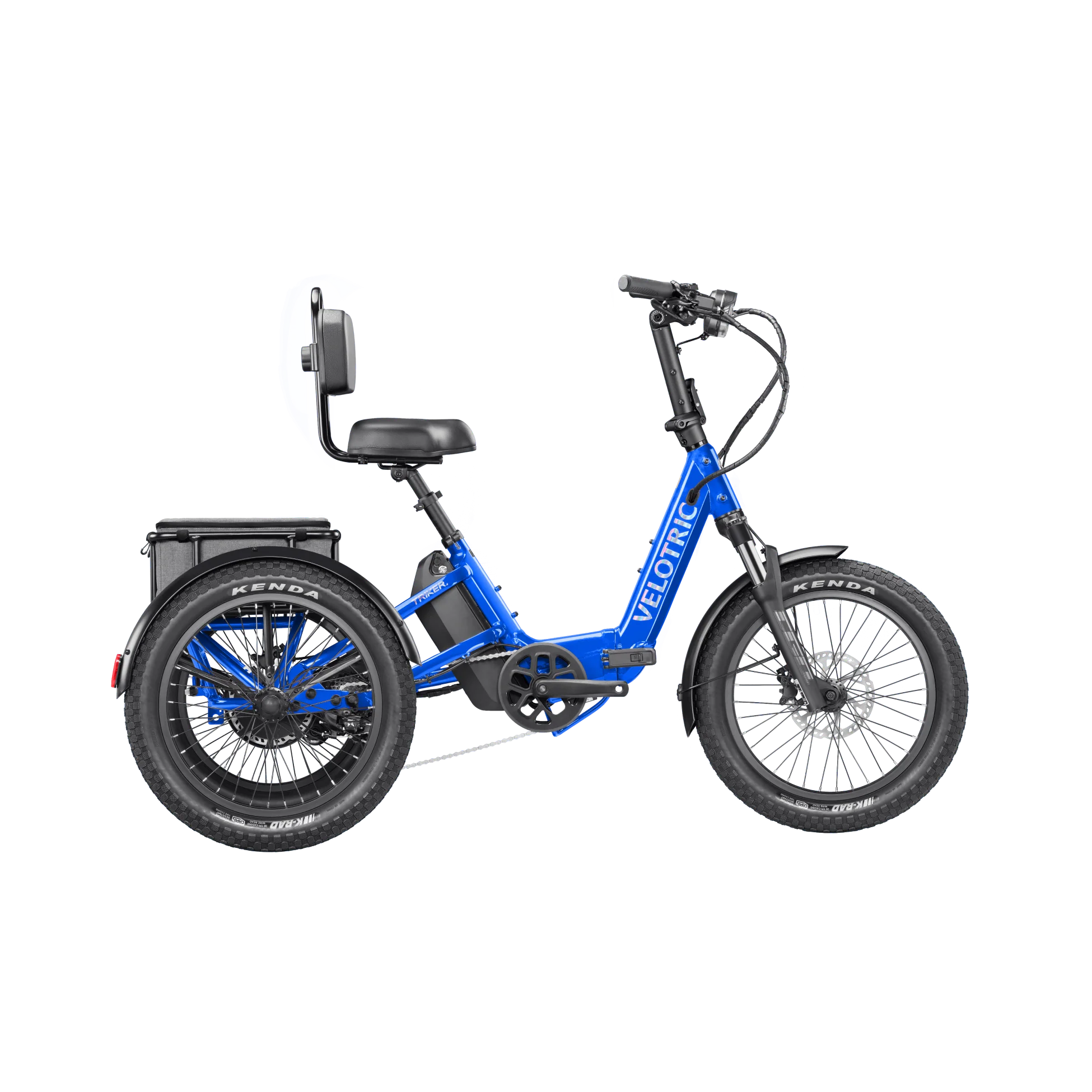
Velotric lists the Triker with class 1, 2, a top speed of 20 mph, nominal motor power of 750 W and a 804 Wh battery. It represents Velotric here because its listed battery is the largest of the Velotric bikes that qualified. Skip it if a path or trail on your route limits how wide a bike can be and you can’t confirm the Triker’s overall width fits. See product details
Mokwheel Granite
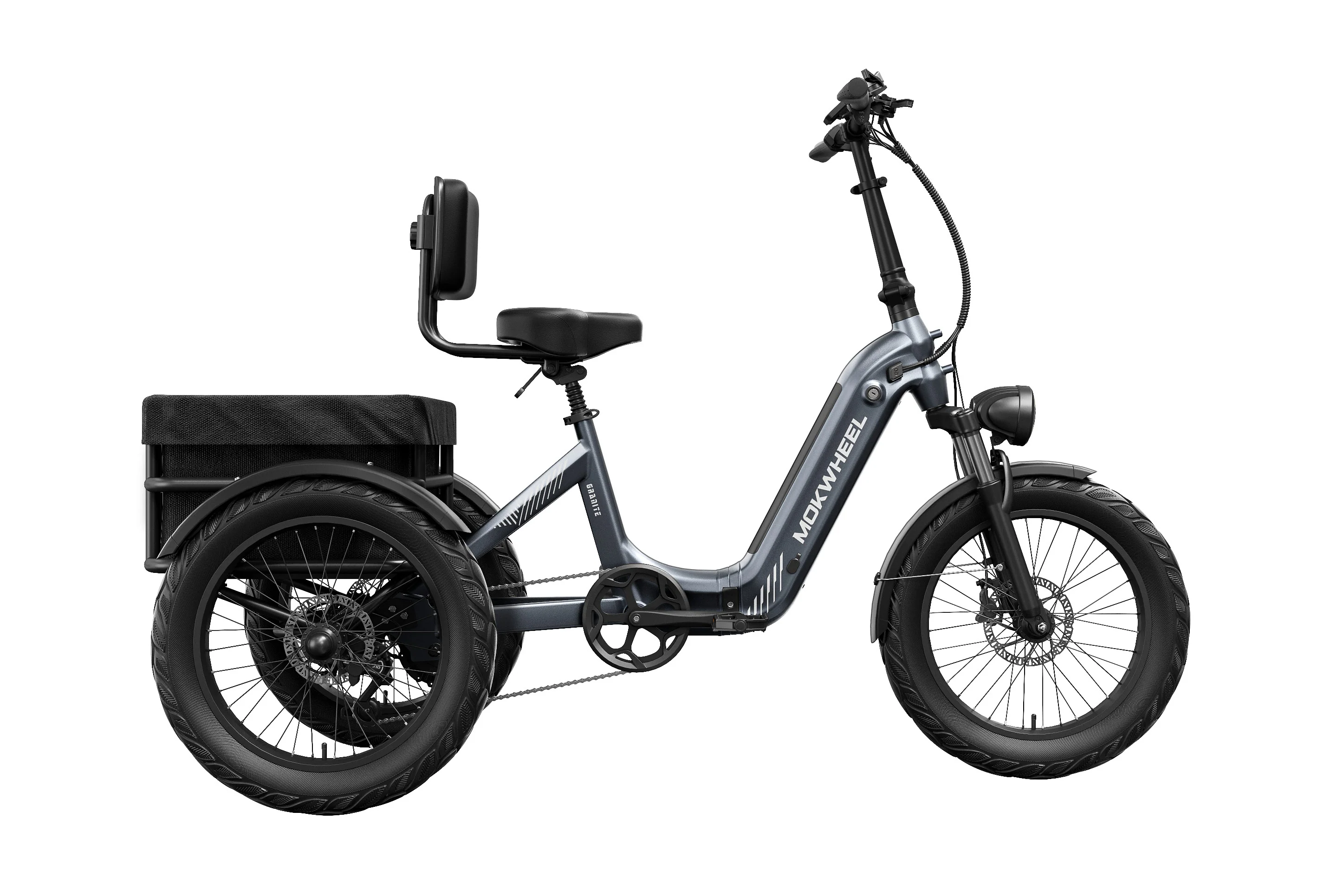
Mokwheel lists the Granite with class 2, a top speed of 20 mph, nominal motor power of 500 W and a 720 Wh battery. It is the only Mokwheel bike in our catalog that met Shortlist A’s rule. Skip it if you want a Class 3 setting: the Granite’s listed class doesn’t include one, so look at Shortlist B. See product details
Aventon Ramblas ADV
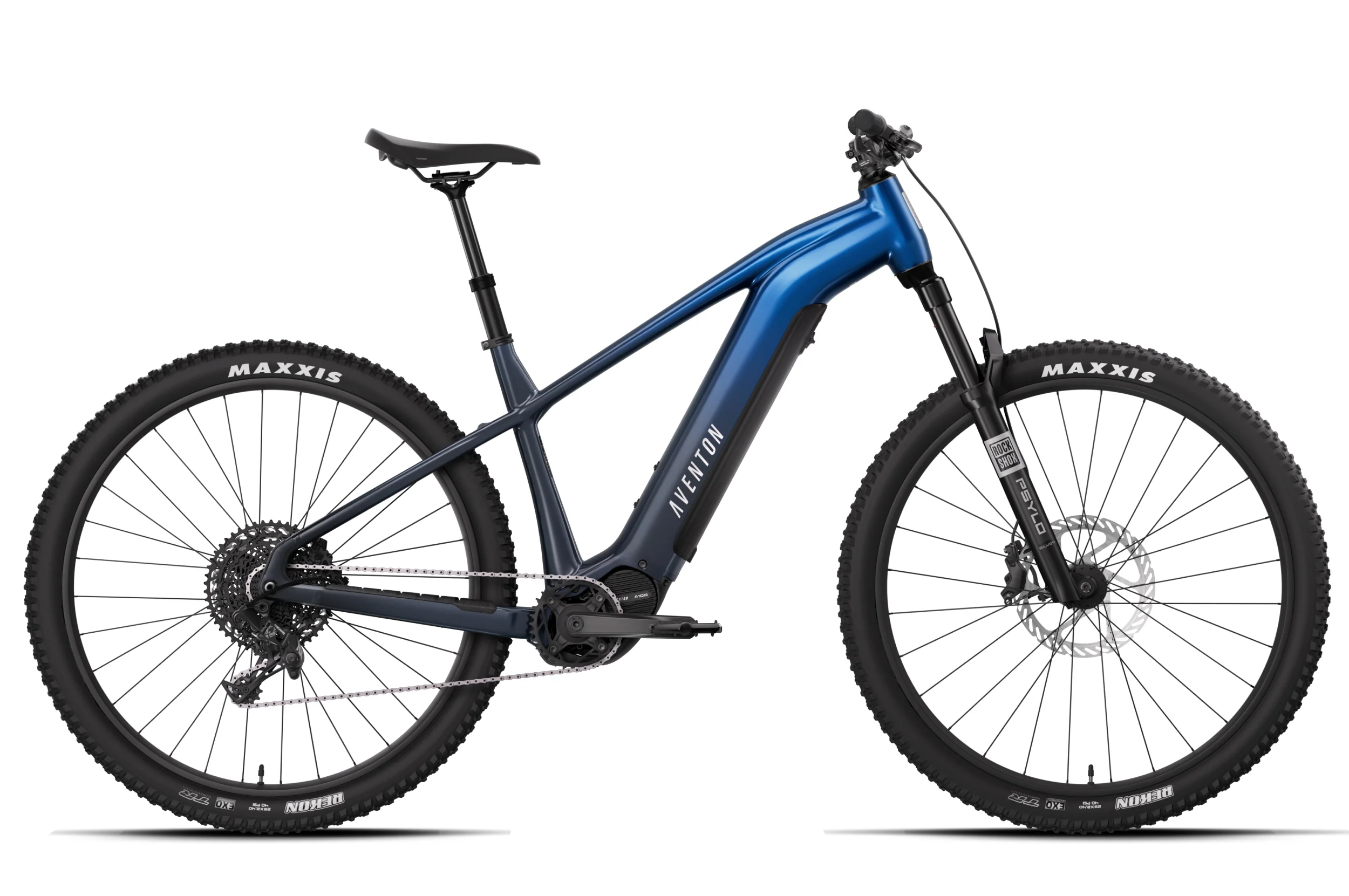
Aventon lists the Ramblas ADV with class 1, a top speed of 20 mph, nominal motor power of 250 W and a 708 Wh battery. The Soltera 2.5 and Soltera 3 also met this shortlist’s rule; the Ramblas ADV represents Aventon only because its listed battery is larger. See product details
Lectric XP Lite 2
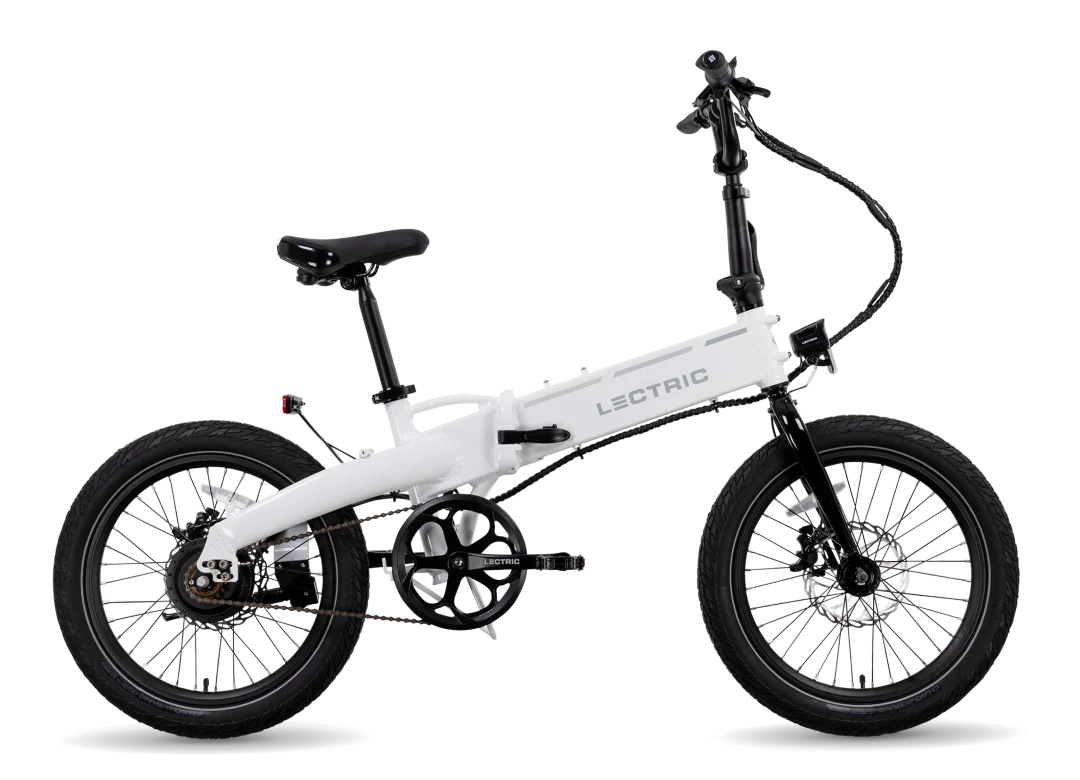
Lectric lists the XP Lite 2 with class 1, 2, a top speed of 20 mph, nominal motor power of 300 W and a 375 Wh battery. Lectric publishes instructions for changing class settings on other models, covered below. Skip it if you need a bike whose class can’t be changed and Lectric can’t confirm which settings this model supports. See product details
Shortlist B: listed Class 3 setting, 28 mph
These bikes list a Class 3 setting among their classes or modes and a 28 mph top speed. Listed in order of battery capacity, largest first; not a ranking. As in Shortlist A, a card without a “Skip it if” line has nothing in our sources that sets it apart. A listed Class 3 setting doesn’t mean the bike arrives set up that way: a bike in this shortlist may ship as Class 2 and need to be switched or unlocked to reach 28 mph, and the throttle may work differently, or not at all, in its Class 3 mode. Our guide to switching e-bike classes explains how built-in modes and unlocks work.
Ride1Up Revv1 EVO
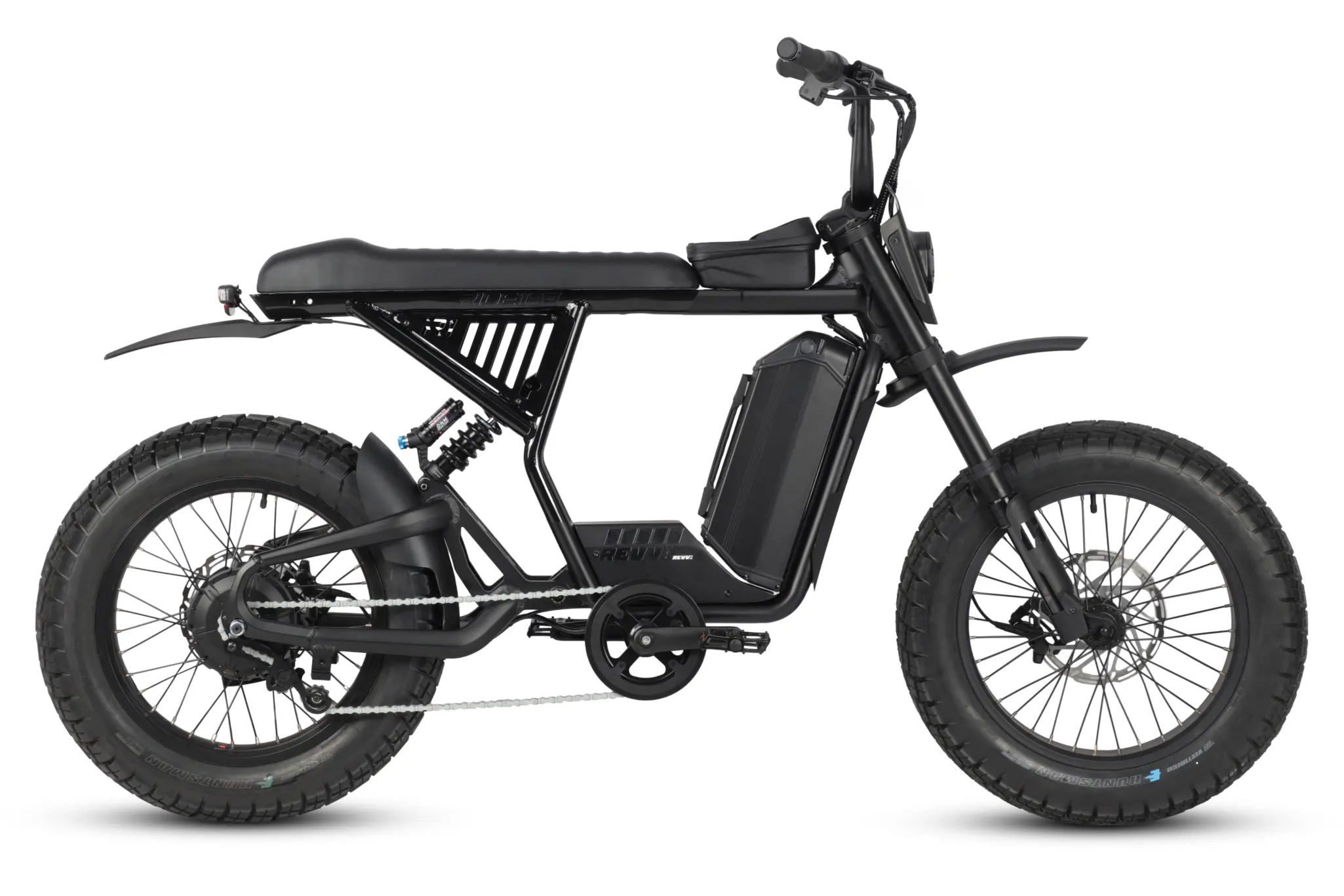
Ride1Up lists the Revv1 EVO with classes 2, 3, a top speed of 28 mph, nominal motor power of 750 W and a 1040 Wh battery. Its product page also describes a third setting that isn’t in those classes: “An unlocked off-road mode is available for private property use only,” the Ride1Up page says, adding that “Regulations vary by state and municipality.” The bike is here on its listed Class 2 and Class 3 setup only. Skip it if the Off-Road mode is part of why you want it. See product details
Mokwheel Basalt 2
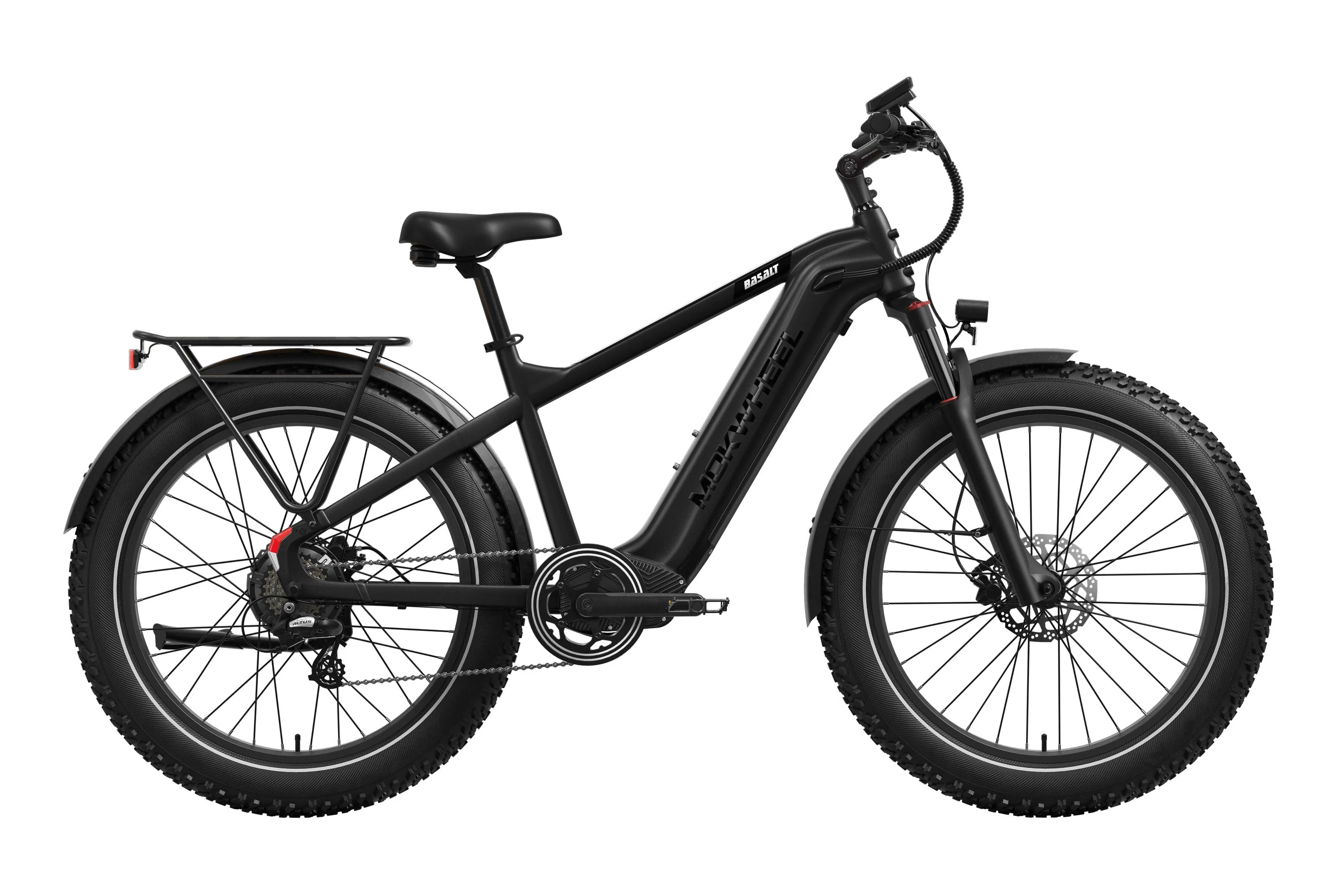
Mokwheel lists the Basalt 2 with classes 2, 3, a top speed of 28 mph, nominal motor power of 750 W and a 940 Wh battery. At least one other Mokwheel bike that met this rule lists the same battery capacity; under our tie rule, the Basalt 2 comes first alphabetically by catalog identifier. That’s a tiebreak, not a judgment that it beats the others. See product details
Velotric Discover M
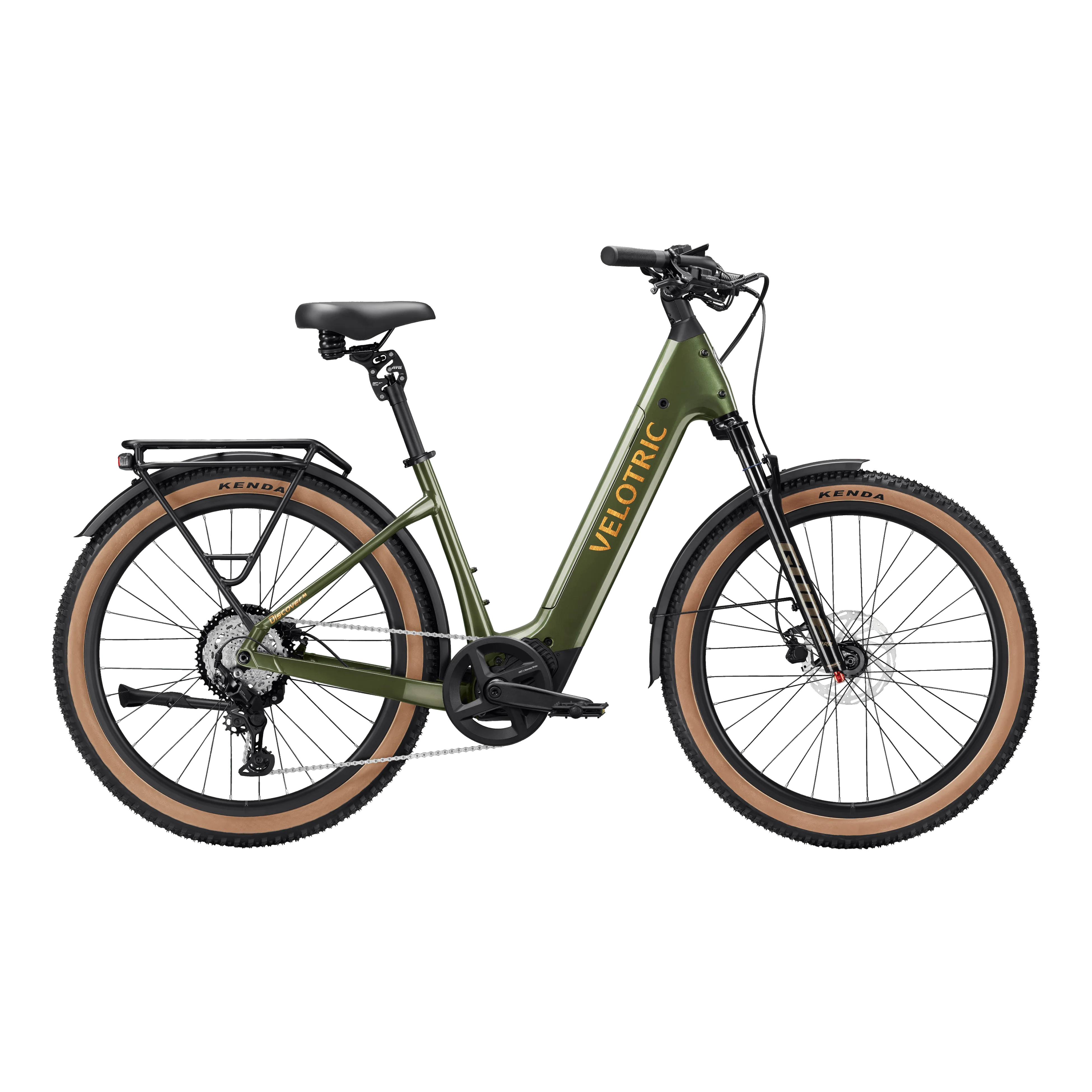
Velotric lists the Discover M with classes 1, 2, 3, a top speed of 28 mph, nominal motor power of 500 W and a 801 Wh battery. Like the Basalt 2, it represents its brand after a battery tie with another Velotric bike, broken by catalog identifier. On another Velotric model, the Nomad 2, the company says choosing Class 3 “Disables throttle, increases top speed to 28MPH” (Velotric). Skip it if you need the throttle at Class 3 speeds and Velotric can’t confirm the Discover M’s Class 3 mode keeps it. See product details
Aventon Aventure M
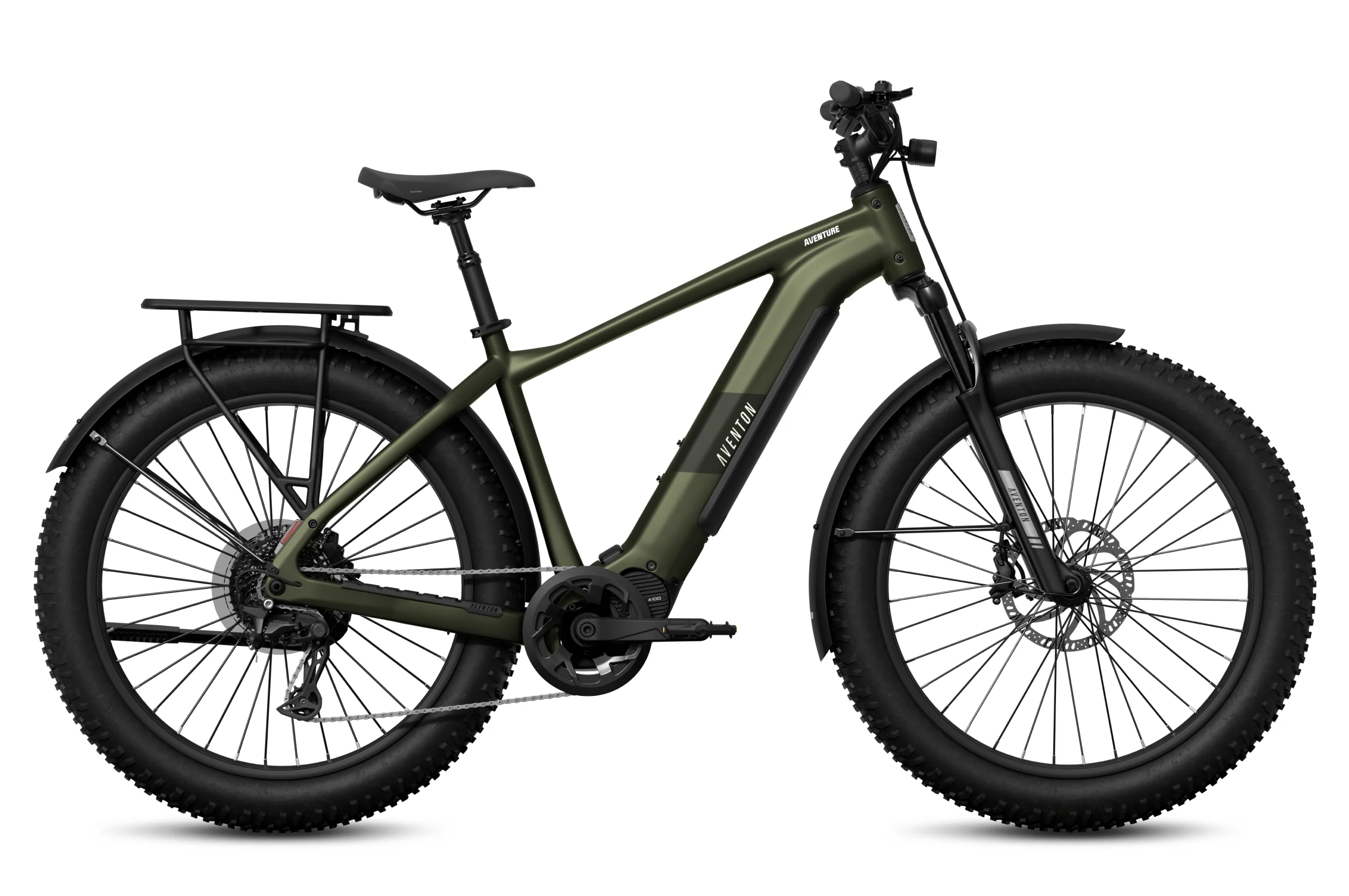
Aventon lists the Aventure M with classes 1, 2, 3, a top speed of 28 mph, nominal motor power of 250 W and a 733 Wh battery. Aventon’s Class 2 collection page says the brand “ships all Class 3 ebikes as Class 2 ebikes, which you can then unlock to go up to 28 mph.” Skip it if you need the bike to arrive already set up for its 28 mph figure. See product details
Lectric XPeak 2
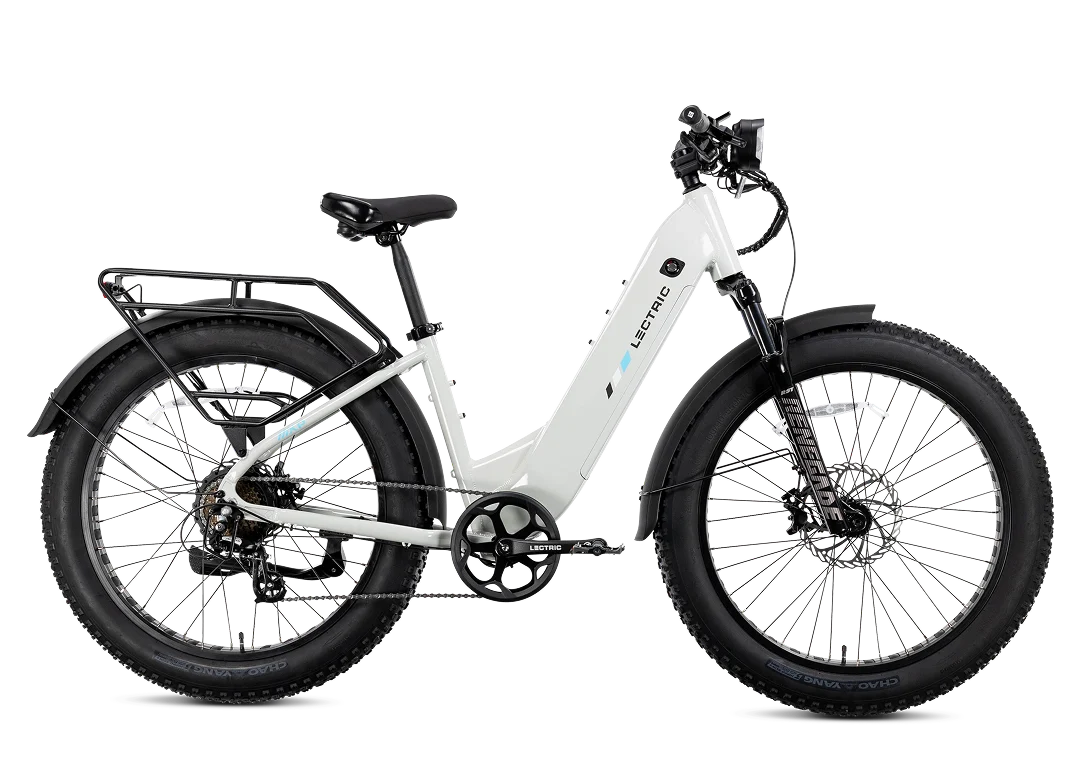
Lectric lists the XPeak 2 with classes 1, 2, 3, a top speed of 28 mph, nominal motor power of 750 W and a 720 Wh battery. It represents Lectric here because its listed battery is the largest of the Lectric bikes that qualified. Skip it if your state’s paperwork depends on the class label on the frame and Lectric can’t tell you which label the XPeak 2 ships with. See product details
Bikes left out, and why
When we built this list, 80 bikes were published in our catalog. Of those, 51 had all three screening fields with a nominal rating of 750 W or less; 7 fit Shortlist A and 33 fit Shortlist B. Keeping one bike per brand leaves the nine above. Not being on this list doesn’t mean a bike failed the rule: 31 bikes met a shortlist’s rule and were left out only because another bike from the same brand lists a larger battery or, on a tie, comes first by catalog identifier.
Bikes that miss the rule aren’t being called illegal. The Aventon Pace 4, for example, lists class 2 with a top speed of 28 mph, so it falls outside both buckets; that’s a limit of our screening, not a finding about the bike. The Velotric Nomad 2 is missing a listed class and top speed in our catalog. We don’t fill those gaps by hand to get a bike onto the list.
What the manufacturer’s class label leaves unanswered
The class in our catalog is the manufacturer’s list of classes or modes, merged into one field. It doesn’t separate the class a bike ships in, the modes you can unlock, the sticker on the frame, or where the throttle stops. Those can differ on one bike. Lectric’s help center tells owners of the XP and XP Step-Thru 2.0 that after changing settings, they should “peel off the class 2 sticker on the bike’s frame, below the seat, to reveal a Class 3 sticker” (Lectric). Rad Power Bikes lists the RadRunner as Class 2. Neither bike is in our catalog with the fields these shortlists need, so neither appears above.
Check the vehicle category, then the route
States don’t all sort bikes the same way. California is one example. The California DMV’s motorcycle handbook says “All electric bicycle classes are exempt from the motor vehicle financial responsibility, DL, and license plate requirements (VC §24016)” (California DMV). The California Department of Justice says “Class 3 e-bikes may only be ridden by people who are 16 years old or older and who are wearing helmets” (California DOJ). Those are California rules, not national ones.
New Jersey shows why a manufacturer’s class label can’t settle the question. The NJ Motor Vehicle Commission uses its own vehicle categories, “low-speed electric bicycle” and “motorized bicycle,” and its June 2026 notice says “All e-bikes in New Jersey must be registered with the NJMVC.” Its two e-bike pages disagree on insurance. One page says “Only motorized bicycles are required to have insurance coverage. Low-Speed Electric Bicycles do not require insurance but must be registered with MVC,” while the other says “e-bikes must be registered and insured.” Our New Jersey e-bike laws guide covers the state’s categories and paperwork in more detail.
Once you know the category, the route is a separate question. One commuter on r/ebikes weighing a Class 3 wrote that parts of the trip could use “a MTB trail or paved walk/bike path to avoid some of those roads but a class 3 ebike is legally not allowed to use them.” Another rider in Colorado wrote: “I wanted to ride the E470 trail to work from Morrison to lone tree for about a 21 mile one way work commute.” Whether a given bike may use a trail like that depends on who manages it and what they allow, not on the bike’s spec sheet. Both posts are riders’ readings of their own routes, not evidence of any state’s law.
For the wider framework, see our overview of US e-bike laws, how to tell whether your e-bike is street legal, and whether you need a license for an e-bike.
Before you buy
Everything above is screening on manufacturer claims, not a legal check. These five checks are what settle whether a bike works for you, and they apply to every bike in both shortlists.
- Confirm the exact version. Model names, generations and step-through variants can carry different specs.
- Ask how it ships and what it unlocks. Get the factory class, the modes you can select and what the throttle does in each, in the manufacturer’s own wording.
- Check the label and the paperwork. Find out what class the frame sticker shows and what documents the manufacturer provides if your state requires registration.
- Find your state’s legal category for that setup. Your state may use the three-class system or its own categories; a manufacturer’s class label is not the deciding word.
- Check each part of your route. Roads, bike lanes, shared paths and trails can each have their own rules, and the bike has to fit every stretch you plan to ride.
Frequently asked questions
Does a listed Class 3 mode mean I can ride the bike on a trail?
No. A manufacturer’s class or mode is a product claim. Trail access depends on the rules for that specific trail, so check with whoever manages it.
Does switching to a slower mode change a bike’s legal category?
A setting changes the bike’s configuration, but the legal category depends on the rules where you ride. The class setting alone doesn’t settle it. See what a class label leaves unanswered.
Do California e-bike riders need a driver’s license or license plate?
The California DMV says electric bicycle classes are exempt from the motor vehicle driver’s license and license plate requirements under VC §24016. The California Department of Justice says Class 3 riders must be at least 16 and wear a helmet. Sources are linked above.
Does New Jersey use a manufacturer’s Class 2 or Class 3 label to decide registration?
The NJ Motor Vehicle Commission describes “low-speed electric bicycle” and “motorized bicycle” as its vehicle categories and says e-bikes must be registered. Its two e-bike pages conflict on insurance; both are linked and quoted above.
Compare the bike’s listed setup with your state’s rules and the routes you ride before choosing. Start with Shortlist A and Shortlist B, then work through the checklist.